
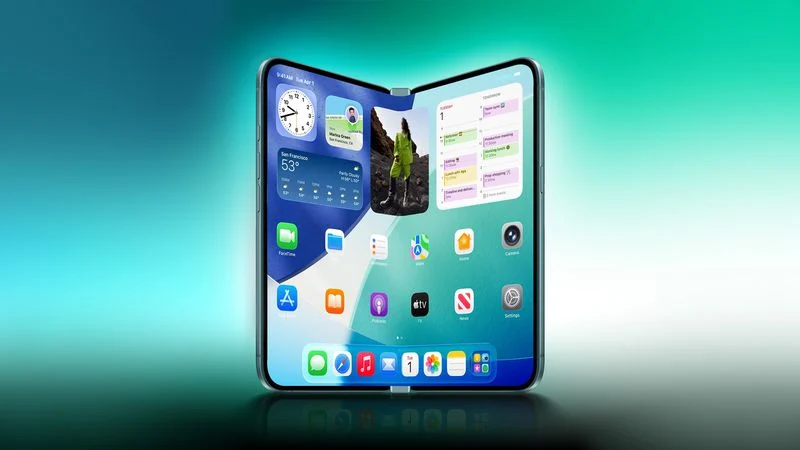

I’ve always been a huge fan of foldable smartphones ever since the first Samsung Galaxy Fold launched. Over the years, I’ve used foldables from Samsung, Google, Honor, Oppo, OnePlus, and several other brands. Throughout this journey, I’ve consistently hoped that Apple would eventually step into the foldable market. If you’ve been following recent leaks and reports, you’ll know that Apple is finally working on its own foldable device, with a release expected as early as next year. Here’s a complete recap of what we can expect from the iPhone Fold, along with some exciting developments surrounding it.
Apple launch its first foldable phone in 2026, marking a major shift in the company’s smartphone strategy and bringing iOS into the foldable era for the first time. According to multiple industry leaks and analyst reports, the Apple launch fold iphone in 2026 & specification will feature a book-style foldable design with a compact outer display and a larger tablet-like inner screen, offering an experience similar to using an iPhone and iPad in one device. The foldable iPhone is rumored to come with a high-resolution inner display using ultra-thin glass to minimize the crease, a liquid-metal hinge for improved durability, and a premium build made from titanium and aluminum. In terms of performance, Apple is expected to equip the device with its latest flagship chipset, ensuring top-tier speed, efficiency, and AI performance. The Apple fold phone specifications may also include a large high-density battery for all-day use, an under-display selfie camera on the inner screen, a punch-hole camera on the outer display, and a dual rear camera system with advanced image processing. With a projected launch in 2026, Apple’s foldable phone is set to compete directly with premium foldables while delivering Apple’s signature software optimization, long-term updates, and seamless ecosystem integration. read more
Fold or Flip Design/Apple launch fold iphone in 2026 & specification
One of the biggest questions surrounding Apple’s foldable phone is its design approach. Will it be a flip-style foldable or a book-style foldable? Apple has reportedly experimented with multiple foldable concepts, including a vertical clamshell design and a horizontal book-style model. Earlier testing seemed to favor the clamshell approach, but more recent reports now strongly suggest that Apple has settled on a book-style foldable.
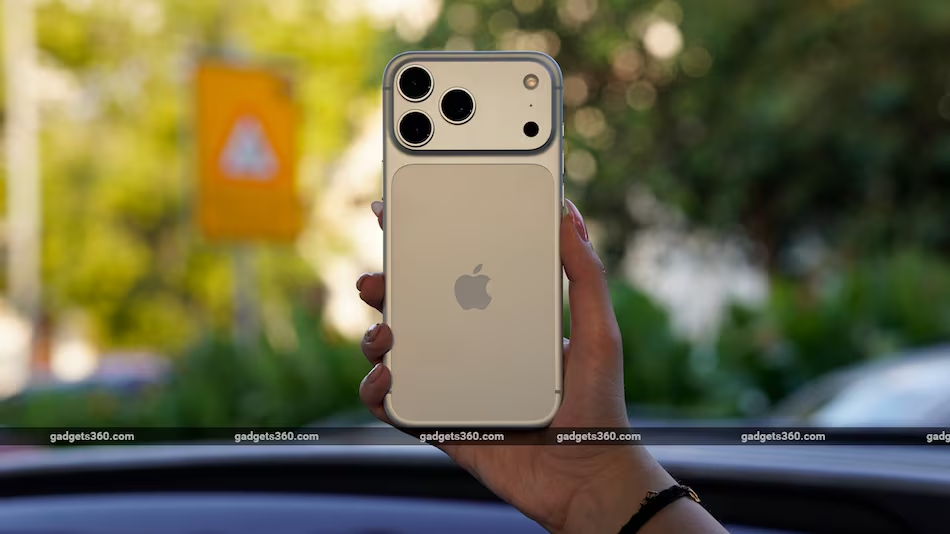
With this design, the iPhone Fold is expected to feature a compact outer display for quick tasks when the device is closed, along with a larger tablet-like screen that unfolds for immersive use. This approach closely aligns with Apple’s productivity-focused ecosystem and could allow the device to feel like an iPhone on the outside and an iPad Mini on the inside.
Display Details
According to well-known industry sources, the iPhone Fold may come with a large inner display featuring a high-resolution panel and an under-display camera. The outer screen is expected to be smaller, featuring a punch-hole camera for selfies and video calls when the device is folded.
Some analysts suggest Apple is still testing multiple inner display sizes, ranging from slightly smaller tablet dimensions to sizes similar to the iPad Mini. Regardless of the final choice, the device is expected to resemble the original Google Pixel Fold when closed, offering a wider, passport-style design, while delivering a tablet-like experience when opened.
Apple’s Secret Weapon: The Crease-Free Display
One of Apple’s biggest priorities appears to be minimizing or eliminating the display crease entirely. Multiple reports suggest Apple is developing an advanced display solution using ultra-thin glass combined with new materials to make the crease nearly invisible when unfolded.
While modern foldables have already made significant progress in reducing visible creases, Apple is aiming to push this even further. The company is reportedly working closely with display suppliers and material manufacturers to achieve a smoother, more seamless screen experience. Even though current foldables already handle creases well, Apple’s refinement could set a new industry standard.
Build Quality and Materials
When it comes to build quality, Apple is expected to use a combination of premium materials. Some reports indicate the use of titanium for structural components to improve durability and prevent bending, while aluminum may be used in other areas to reduce weight and enhance heat dissipation. Other sources suggest stainless steel could be involved, although that would increase overall weight.
As for thickness, the iPhone Fold is expected to be slightly thicker than some competing foldables. While this may not sound impressive at first, the added thickness could be a deliberate choice to accommodate a larger battery and more robust internal components.
The Hinge Mechanism
The hinge is arguably the most critical component of any foldable phone, and Apple appears to be placing a heavy emphasis on this area. Reports suggest the iPhone Fold will use a liquid metal hinge designed to improve durability and significantly reduce the appearance of the display crease.
Liquid metal is an amorphous alloy known for its exceptional strength and resistance to deformation. It is stronger than traditional titanium alloys and has a premium, stainless-steel-like appearance. This advanced hinge design could give Apple a major advantage in long-term durability and smooth folding action.
Color Options
Early leaks suggest the iPhone Fold will launch in classic white and black color options. Apple may introduce a special hero color later, but for the first generation, the company is likely to focus on simplicity and elegance.
This approach mirrors past Apple launches where revolutionary designs didn’t rely on flashy colors to stand out. Instead, the product itself became the highlight. More experimental finishes are likely to arrive with future generations.
Camera Setup
Camera technology on the iPhone Fold is expected to follow a unique approach. The inner display may feature an under-display camera, while the outer screen will use a punch-hole design. Due to the under-display setup, Face ID may not be supported, with Touch ID potentially making a return.
The inner camera is rumored to feature a high-resolution sensor, which would be a significant leap compared to current under-display cameras used by other manufacturers. Most foldables today rely on low-resolution under-display cameras, so Apple’s approach could mark a major breakthrough.
On the back, the iPhone Fold is expected to feature a dual-camera setup with a main sensor and an ultra-wide lens. While this aligns with Apple’s recent camera strategy, it’s disappointing that a telephoto lens may not be included, especially when competitors offer more versatile camera systems.
Battery Life Expectations
Battery life is another area where Apple seems to be making meaningful improvements. Early reports suggest the iPhone Fold will feature a high-capacity battery, potentially larger than both current foldable phones and similarly sized tablets.
Apple is also expected to use high-density battery technology, similar to what it has tested in other recent devices. While it may not use the latest silicon-carbon battery technology, the improvements should still offer noticeable gains in battery longevity. Charging speeds are expected to remain consistent with Apple’s recent devices, focusing more on efficiency than raw speed.
Performance and Connectivity
Under the hood, the iPhone Fold is expected to be powered by Apple’s latest high-performance chipset, similar to what will be used in the upcoming Pro iPhone models. Built using advanced manufacturing technology, this chip is expected to deliver major gains in performance, efficiency, and thermal management.
Connectivity is also set to improve with a newer modem that brings enhanced network performance and better power efficiency. In some regions, the device is expected to rely solely on eSIM technology, continuing Apple’s gradual move away from physical SIM cards.
Pricing Expectations
Pricing is perhaps the most controversial aspect of the iPhone Fold. Analysts expect it to be Apple’s most expensive iPhone ever, with a price exceeding that of most foldable smartphones currently on the market. Some estimates suggest it could rival or even surpass the cost of premium tri-fold devices.
Given the competition, this high price may raise concerns, especially since the iPhone Fold may not lead the market in every hardware category. However, Apple’s strength lies in its ecosystem, software optimization, and long-term support, which could justify the premium for many users.
Expected Release Timeline
The iPhone Fold is widely expected to launch alongside Apple’s flagship iPhone lineup in September of its release year. While there have been some mentions of potential delays due to hinge manufacturing challenges, most sources remain optimistic about its planned launch window.
If Apple delivers on its promises, the iPhone Fold could mark one of the biggest shifts in iPhone design history. For long-time Apple fans and foldable enthusiasts alike, this device could finally bring the best of both worlds together in a single, polished product.I’ve always been a huge fan of foldable smartphones ever since the first Samsung Galaxy Fold launched. Over the years, I’ve used foldables from Samsung, Google, Honor, Oppo, OnePlus, and several other brands. Throughout this journey, I’ve consistently hoped that Apple would eventually step into the foldable market. If you’ve been following recent leaks and reports, you’ll know that Apple is finally working on its own foldable device, with a release expected as early as next year. Here’s a complete recap of what we can expect from the iPhone Fold, along with some exciting developments surrounding it.
Fold or Flip Design
One of the biggest questions surrounding Apple’s foldable phone is its design approach. Will it be a flip-style foldable or a book-style foldable? Apple has reportedly experimented with multiple foldable concepts, including a vertical clamshell design and a horizontal book-style model. Earlier testing seemed to favor the clamshell approach, but more recent reports now strongly suggest that Apple has settled on a book-style foldable.
With this design, the iPhone Fold is expected to feature a compact outer display for quick tasks when the device is closed, along with a larger tablet-like screen that unfolds for immersive use. This approach closely aligns with Apple’s productivity-focused ecosystem and could allow the device to feel like an iPhone on the outside and an iPad Mini on the inside.
Display Details
According to well-known industry sources, the iPhone Fold may come with a large inner display featuring a high-resolution panel and an under-display camera. The outer screen is expected to be smaller, featuring a punch-hole camera for selfies and video calls when the device is folded.
Some analysts suggest Apple is still testing multiple inner display sizes, ranging from slightly smaller tablet dimensions to sizes similar to the iPad Mini. Regardless of the final choice, the device is expected to resemble the original Google Pixel Fold when closed, offering a wider, passport-style design, while delivering a tablet-like experience when opened.
Apple’s Secret Weapon: The Crease-Free Display
One of Apple’s biggest priorities appears to be minimizing or eliminating the display crease entirely. Multiple reports suggest Apple is developing an advanced display solution using ultra-thin glass combined with new materials to make the crease nearly invisible when unfolded.
While modern foldables have already made significant progress in reducing visible creases, Apple is aiming to push this even further. The company is reportedly working closely with display suppliers and material manufacturers to achieve a smoother, more seamless screen experience. Even though current foldables already handle creases well, Apple’s refinement could set a new industry standard.
Build Quality and Materials
When it comes to build quality, Apple is expected to use a combination of premium materials. Some reports indicate the use of titanium for structural components to improve durability and prevent bending, while aluminum may be used in other areas to reduce weight and enhance heat dissipation. Other sources suggest stainless steel could be involved, although that would increase overall weight.
As for thickness, the iPhone Fold is expected to be slightly thicker than some competing foldables. While this may not sound impressive at first, the added thickness could be a deliberate choice to accommodate a larger battery and more robust internal components.
The Hinge Mechanism
The hinge is arguably the most critical component of any foldable phone, and Apple appears to be placing a heavy emphasis on this area. Reports suggest the iPhone Fold will use a liquid metal hinge designed to improve durability and significantly reduce the appearance of the display crease.
Liquid metal is an amorphous alloy known for its exceptional strength and resistance to deformation. It is stronger than traditional titanium alloys and has a premium, stainless-steel-like appearance. This advanced hinge design could give Apple a major advantage in long-term durability and smooth folding action.
Color Options
Early leaks suggest the iPhone Fold will launch in classic white and black color options. Apple may introduce a special hero color later, but for the first generation, the company is likely to focus on simplicity and elegance.
This approach mirrors past Apple launches where revolutionary designs didn’t rely on flashy colors to stand out. Instead, the product itself became the highlight. More experimental finishes are likely to arrive with future generations.
Camera Setup
Camera technology on the iPhone Fold is expected to follow a unique approach. The inner display may feature an under-display camera, while the outer screen will use a punch-hole design. Due to the under-display setup, Face ID may not be supported, with Touch ID potentially making a return.
The inner camera is rumored to feature a high-resolution sensor, which would be a significant leap compared to current under-display cameras used by other manufacturers. Most foldables today rely on low-resolution under-display cameras, so Apple’s approach could mark a major breakthrough.
On the back, the iPhone Fold is expected to feature a dual-camera setup with a main sensor and an ultra-wide lens. While this aligns with Apple’s recent camera strategy, it’s disappointing that a telephoto lens may not be included, especially when competitors offer more versatile camera systems.
Battery Life Expectations
Battery life is another area where Apple seems to be making meaningful improvements. Early reports suggest the iPhone Fold will feature a high-capacity battery, potentially larger than both current foldable phones and similarly sized tablets.
Apple is also expected to use high-density battery technology, similar to what it has tested in other recent devices. While it may not use the latest silicon-carbon battery technology, the improvements should still offer noticeable gains in battery longevity. Charging speeds are expected to remain consistent with Apple’s recent devices, focusing more on efficiency than raw speed.
Performance and Connectivity
Under the hood, the iPhone Fold is expected to be powered by Apple’s latest high-performance chipset, similar to what will be used in the upcoming Pro iPhone models. Built using advanced manufacturing technology, this chip is expected to deliver major gains in performance, efficiency, and thermal management.
Connectivity is also set to improve with a newer modem that brings enhanced network performance and better power efficiency. In some regions, the device is expected to rely solely on eSIM technology, continuing Apple’s gradual move away from physical SIM cards.
Pricing Expectations
Pricing is perhaps the most controversial aspect of the iPhone Fold. Analysts expect it to be Apple’s most expensive iPhone ever, with a price exceeding that of most foldable smartphones currently on the market. Some estimates suggest it could rival or even surpass the cost of premium tri-fold devices.
Given the competition, this high price may raise concerns, especially since the iPhone Fold may not lead the market in every hardware category. However, Apple’s strength lies in its ecosystem, software optimization, and long-term support, which could justify the premium for many users.
Expected Release Timeline
Apple launch fold phone in 2026 & specification
The iPhone Fold is widely expected to launch alongside Apple’s flagship iPhone lineup in September of its release year. While there have been some mentions of potential delays due to hinge manufacturing challenges, most sources remain optimistic about its planned launch window.
Apple launch fold phone in 2026 & specification
If Apple delivers on its promises, the iPhone Fold could mark one of the biggest shifts in iPhone design history. For long-time Apple fans and foldable enthusiasts alike, this device could finally bring the best of both worlds together in a single, polished product.
About Apple Fold Phone
Apple launch fold phone in 2026 & specification is becoming one of the most searched topics among Apple fans and tech enthusiasts. According to recent leaks and analyst reports, Apple launch fold phone in 2026 & specification details suggest that Apple will finally enter the foldable smartphone market with a premium book-style foldable iPhone. The device is expected to feature a compact outer display and a large inner foldable screen with ultra-thin glass to reduce the crease. When discussing Apple launch fold phone in 2026 & specification, reports point toward a durable liquid-metal hinge, a titanium and aluminum body, and Apple’s latest flagship chipset for top-level performance and efficiency. In terms of cameras, Apple launch fold phone in 2026 & specification leaks indicate an under-display camera on the inner screen, a punch-hole camera on the outer display, and a dual rear camera setup with advanced image processing. Battery life is also expected to be a key focus, with a high-density battery designed for all-day use. Overall, Apple launch fold phone in 2026 & specification highlights Apple’s aim to deliver a premium foldable experience combined with iOS optimization, long-term software updates, and seamless ecosystem integration.
2 thoughts on “Apple launch fold iphone in 2026 & specification”