
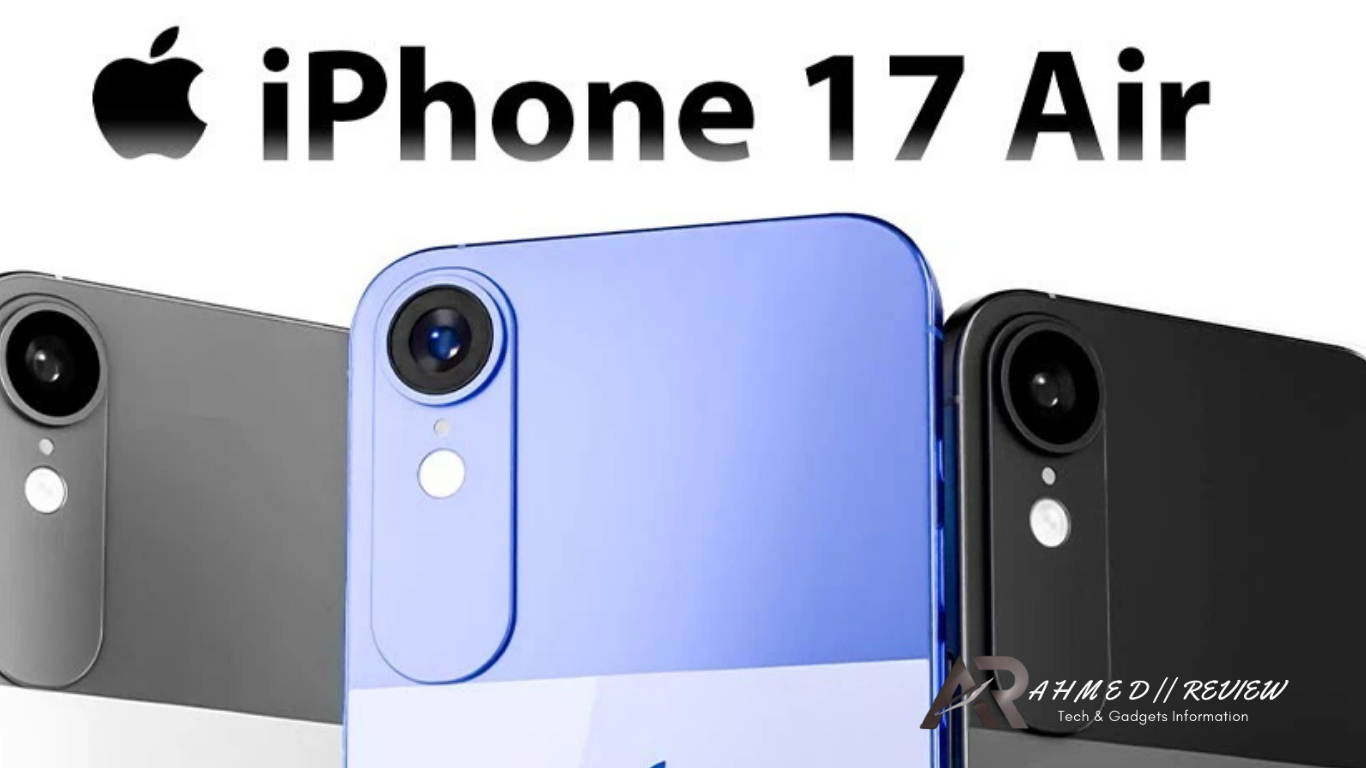
The smartphone market in 2026 is crowded, competitive, and honestly a little exhausting. Every brand claims it has the thinnest design, the smartest AI, or the best camera ever made. Into this noisy space steps Apple with a product that feels… different. The iPhone Air isn’t trying to scream for attention with extreme specs. Instead, it whispers a promise: balance. Lightweight design, premium feel, reliable performance, and a price that doesn’t completely terrify your bank account.
What Is the iPhone Air? Understanding Apple’s New Direction
The iPhone Air represents a subtle but important shift in Apple’s smartphone philosophy. For years, Apple’s lineup followed a predictable pattern: standard iPhone, Pro, and Pro Max. Each year, devices became heavier, thicker, and more feature-packed. While impressive, that evolution left behind a growing group of users who wanted something simpler, lighter, and more comfortable—without feeling “cheap.”
Why Apple Introduced the “Air” Branding to iPhones
Apple doesn’t use the word “Air” casually. Historically, the Air branding signals three things: thinness, lightness, and efficiency. When Apple applied this philosophy to the iPhone, it wasn’t just a marketing trick—it was a response to user fatigue.
Phones had become bricks. Powerful bricks, yes—but still bricks.
By introducing the iPhone Air, Apple acknowledges that not everyone wants the biggest or most advanced device. Some users want a phone that disappears into their pocket, doesn’t strain their wrist, and still feels undeniably premium.
How iPhone Air Fits Between Pro and Standard Models
In the lineup, the iPhone Air sits comfortably in the middle. It offers better materials, display quality, and longevity than the standard iPhone. It deliberately trims features that drive up cost and weight in Pro models.
This positioning makes the iPhone Air especially appealing in the US market, where consumers often keep phones for 3–5 years. It’s built to age gracefully—both physically and technologically. Is iPhone Air Worth Buying in USA in 2026
| Feature | iPhone Air |
|---|---|
| Design | Thin, lightweight, and minimal |
| Build Materials | Premium aluminum alloy, reinforced glass |
| Display | High-quality OLED |
| Performance | Apple Silicon chip, near-flagship performance |
| Battery Life | Optimized for full-day use |
| Camera System | Balanced with one or two high-quality cameras |
| Software | Latest iOS with long-term support |
| 5G Support | Yes, compatible with major US carriers |
| Ideal For | Everyday users valuing balance over extremes |
Design Philosophy: Thin, Light, and Minimal
The first thing you notice when you pick up the iPhone Air is how effortless it feels. Not fragile. Not hollow. Just… light. In a world where smartphones often feel like small tablets, the iPhone Air is a reminder of how pleasant a well-balanced device can be. Is iPhone Air Worth Buying in USA in 2026
Apple’s design approach here isn’t flashy. It’s restrained, intentional, and focused on usability. The edges are smooth, the weight distribution is even, and the overall form factor encourages one-handed use—something many modern phones have abandoned.
For users in the USA who commute, travel frequently, or use their phones continuously throughout the day, this design choice isn’t trivial. It reduces fatigue. It fits better in pockets. It simply feels nicer to live with Is iPhone Air Worth Buying in USA in 2026
Build Materials and Durability Expectations
Despite being thin and light, the iPhone Air doesn’t feel cheap. Apple uses premium materials—likely a refined aluminum alloy paired with reinforced glass—to maintain durability without unnecessary bulk.
The design prioritizes structural efficiency. Instead of adding thickness for strength, Apple optimizes internal layout and material composition. The result is a phone that feels sturdy enough for daily life without becoming a burden. Is iPhone Air Worth Buying in USA in 2026
Display Technology in iPhone Air
The display is one of those features you interact with every single second you use your phone, yet many reviews reduce it to a few specs and move on. With the iPhone Air, the display isn’t about winning a numbers game—it’s about creating a viewing experience that feels natural, comfortable, and premium without pushing into Pro-level excess.
In 2026, users in the USA expect excellent displays by default. Streaming movies, scrolling social media, gaming, video calling, reading documents—everything happens on this panel. Apple understands this, and the iPhone Air’s screen is designed to deliver consistent quality across all these use cases.
Samsung S26 Ultra Final Details & Release Date Is This the Biggest Upgrade Ever?
Every year, Samsung’s Ultra series sets the tone for what Android smartphones can achieve. The Samsung S26 Ultra is already shaping up to be one of the most talked-about devices in recent memory. Samsung’s own innovation roadmap have fueled massive curiosity. The big question on everyone’s mind is simple: Is this finally the biggest upgrade Samsung has ever delivered? read more………
OLED vs LTPO: What Apple Is Likely Using
The iPhone Air is expected to feature a high-quality OLED display, sitting just below the advanced LTPO panels reserved for Pro models. And honestly, that’s a smart choice.
OLED brings deep blacks, excellent contrast, and power efficiency—three things that matter more in daily use than variable refresh rates. While LTPO allows for adaptive refresh rates down to 1Hz, most users rarely notice that difference outside of very specific scenarios.
Apple’s OLED implementation is typically best-in-class. Colors are carefully tuned, whites don’t look harsh, and skin tones appear realistic. For users in the USA who consume a lot of video content—Netflix, YouTube, Apple TV+—this makes a noticeable difference.
Brightness, Refresh Rate, and Real-World Viewing
Brightness is another area where Apple takes a measured approach. The iPhone Air is bright enough for outdoor use, even under direct sunlight, without draining the battery aggressively. Indoor viewing remains comfortable, with excellent auto-brightness tuning that adapts smoothly to changing environments. Is iPhone Air Worth Buying in USA in 2026
Performance and Chipset: Power Without Excess
Performance is where many buyers worry about compromise. After all, nobody wants to buy a phone in 2026 that feels slow two years later. The good news? The iPhone Air is anything but underpowered.
Apple equips the iPhone Air with a modern Apple Silicon chip that sits just one tier below the absolute latest Pro processor. In practice, this means you get near-flagship performance without paying the flagship premium.
For everyday tasks—messaging, browsing, video editing, navigation, productivity apps—the phone feels fast, responsive, and smooth. There’s no hesitation, no lag, and no sense that you’re using a “lesser” device.
Expected Apple Silicon Inside iPhone Air
The chipset inside the iPhone Air is designed for efficiency as much as raw power. Apple focuses heavily on optimizing performance-per-watt, which directly benefits battery life and thermal management.
In the USA, where users often multitask heavily—running maps, streaming music, handling notifications, and jumping between apps—this efficiency matters. The phone stays cool, maintains performance, and doesn’t throttle under normal use.
Everyday Performance vs Pro-Level Power
Here’s the honest truth: most people don’t need Pro-level power. And Apple knows it.
The iPhone Air is tuned for real-world performance, not benchmark bragging rights. Apps open instantly, camera processing is fast, and background tasks are handled gracefully.
Battery Life and Charging in Real Life/ Is iPhone Air Worth Buying in USA in 2026


Battery life can make or break a smartphone experience. And with the iPhone Air’s thin design, some users worry that endurance might be sacrificed. Thankfully, Apple’s efficiency-first approach pays off here.
Instead of stuffing in the biggest possible battery, Apple focuses on optimizing how the phone uses power. The result is a device that comfortably lasts through a full day of typical use for most users in the USA.
Whether you’re commuting, working remotely, attending classes, or traveling, the iPhone Air keeps up without constant anxiety about charging.
Battery Capacity vs Efficiency
On paper, the battery capacity might not sound impressive compared to larger phones. But real-world performance tells a different story.
Apple’s tight integration between hardware and software allows the iPhone Air to squeeze more life out of every milliamp-hour. Background processes are managed intelligently, and power-hungry tasks are optimized.
That’s the kind of reliability people actually want.Is iPhone Air Worth Buying in USA in 2026
Wired, Wireless, and MagSafe Charging Experience
Charging options remain versatile. The iPhone Air supports fast wired charging for quick top-ups, as well as wireless and MagSafe charging for convenience.
MagSafe continues to be especially popular in the USA, where accessories like car mounts, wallets, and stands are widely used. The iPhone Air integrates seamlessly into this ecosystem, making daily charging routines simple and flexible.
Camera System: Balanced, Not Overkill
Cameras are often the biggest differentiator between phone models, and Apple intentionally keeps the iPhone Air’s camera system balanced rather than excessive.
Instead of adding multiple lenses that most users rarely use, Apple focuses on delivering one or two excellent cameras that perform reliably in a wide range of conditions.
For everyday photography—family moments, travel, social media, documents—the iPhone Air delivers consistent, high-quality results.
Rear Camera Capabilities
The main rear camera produces sharp images with accurate colors and strong dynamic range. Apple’s computational photography does a lot of heavy lifting, ensuring good results even in challenging lighting.
Low-light performance is solid, though not class-leading. For most users in the USA, especially those sharing photos online rather than printing them, the quality is more than sufficient.
Video recording remains a strong point. Smooth stabilization, clear audio, and reliable autofocus make the iPhone Air a great tool for casual video creation.
Front Camera and Video for Social Media
The front-facing camera is well-optimized for video calls, selfies, and content creation. Skin tones look natural, and video quality is stable and clear. Is iPhone Air Worth Buying in USA in 2026
For students, professionals, and creators using platforms like FaceTime, Zoom, or social media apps, the iPhone Air performs reliably without fuss.
Software Experience: iOS in 2026
Software is where Apple truly separates itself from the competition. The iPhone Air runs the latest version of iOS, and the experience feels polished, intuitive, and deeply integrated.
In 2026, iOS focuses heavily on personalization, efficiency, and on-device intelligence. Features are designed to be helpful rather than intrusive, enhancing daily workflows without overwhelming the user. Is iPhone Air Worth Buying in USA in 2026
iOS Features That Matter Most
Key iOS features on the iPhone Air include:
- Smarter notifications
- Enhanced privacy controls
- Seamless device integration
- Improved multitasking
For users in the USA who own multiple Apple devices, this ecosystem integration adds real value. Is iPhone Air Worth Buying in USA in 2026
Longevity and Update Support
Apple’s long-term software support is one of the strongest reasons to buy the iPhone Air. Regular updates ensure security, performance improvements, and new features for years.Is iPhone Air Worth Buying in USA in 2026
This longevity makes the iPhone Air a smart investment, especially for buyers who don’t upgrade annually.
Final Verdict: Is iPhone Air Worth Buying in the USA in 2026?
Yes—the iPhone Air is absolutely worth buying in the USA in 2026, if your priorities align with what it offers.
It’s not for spec hunters or professional photographers who need every possible feature. But for the vast majority of users, it strikes an ideal balance between performance, design, battery life, and price. Is iPhone Air Worth Buying in USA in 2026
The iPhone Air feels thoughtful. Purpose-built. Comfortable to live with. And in a market obsessed with extremes, that restraint is refreshing. Is iPhone Air Worth Buying in USA in 2026
If you value daily usability over bragging rights, the iPhone Air is one of the smartest smartphone choices you can make in 2026.
FAQs
1. Is the iPhone Air good for long-term use in the USA?/ Is iPhone Air Worth Buying in USA in 2026
Yes, thanks to strong performance, efficient hardware, and long software support.
2. Does the iPhone Air support 5G in the USA?
Yes, it is fully compatible with major US carriers and modern 5G networks.
3. Is the iPhone Air better than the standard iPhone?
For most users, yes. It offers a more refined design and better overall experience.
4. Should gamers buy the iPhone Air?
Casual gamers will be satisfied, but hardcore gamers may prefer Pro models.
5. Is the iPhone Air worth upgrading from an older iPhone?
Absolutely, especially if you value lighter design and modern performance.