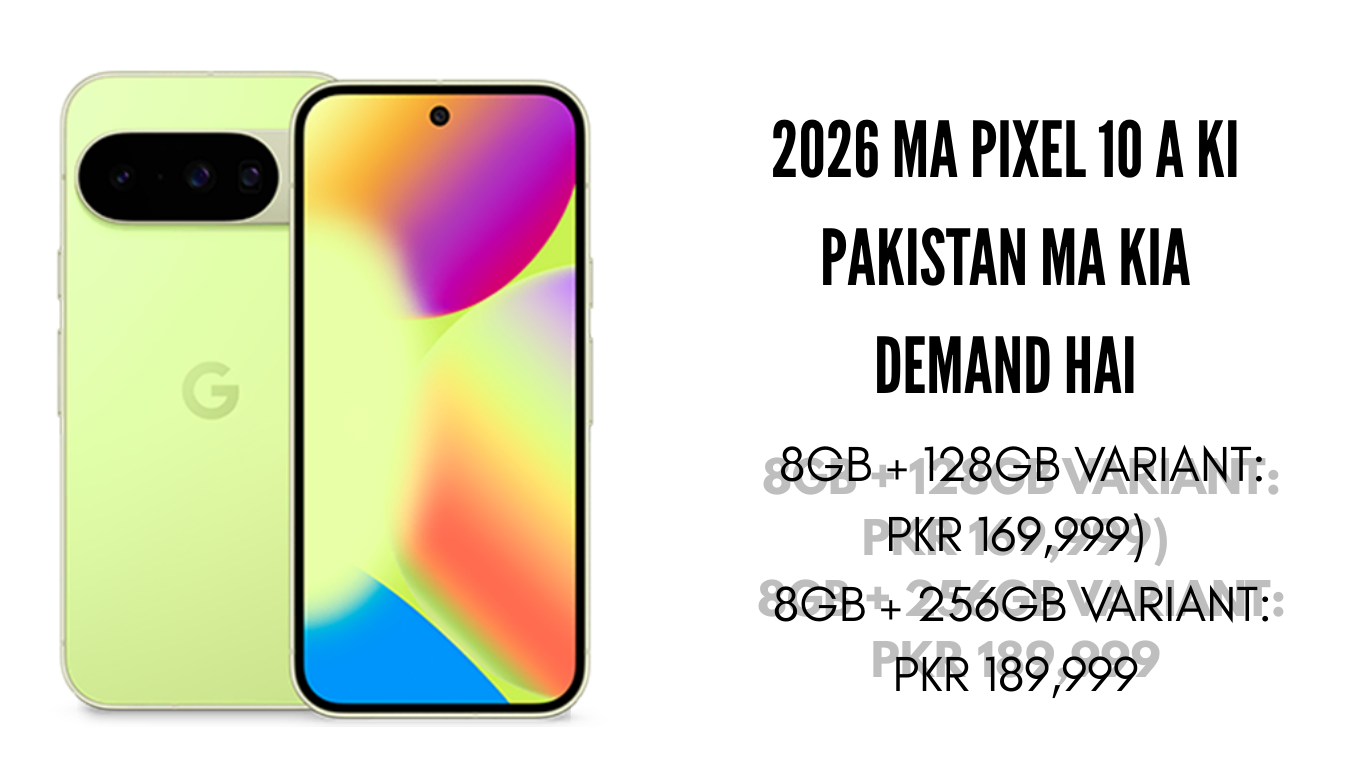
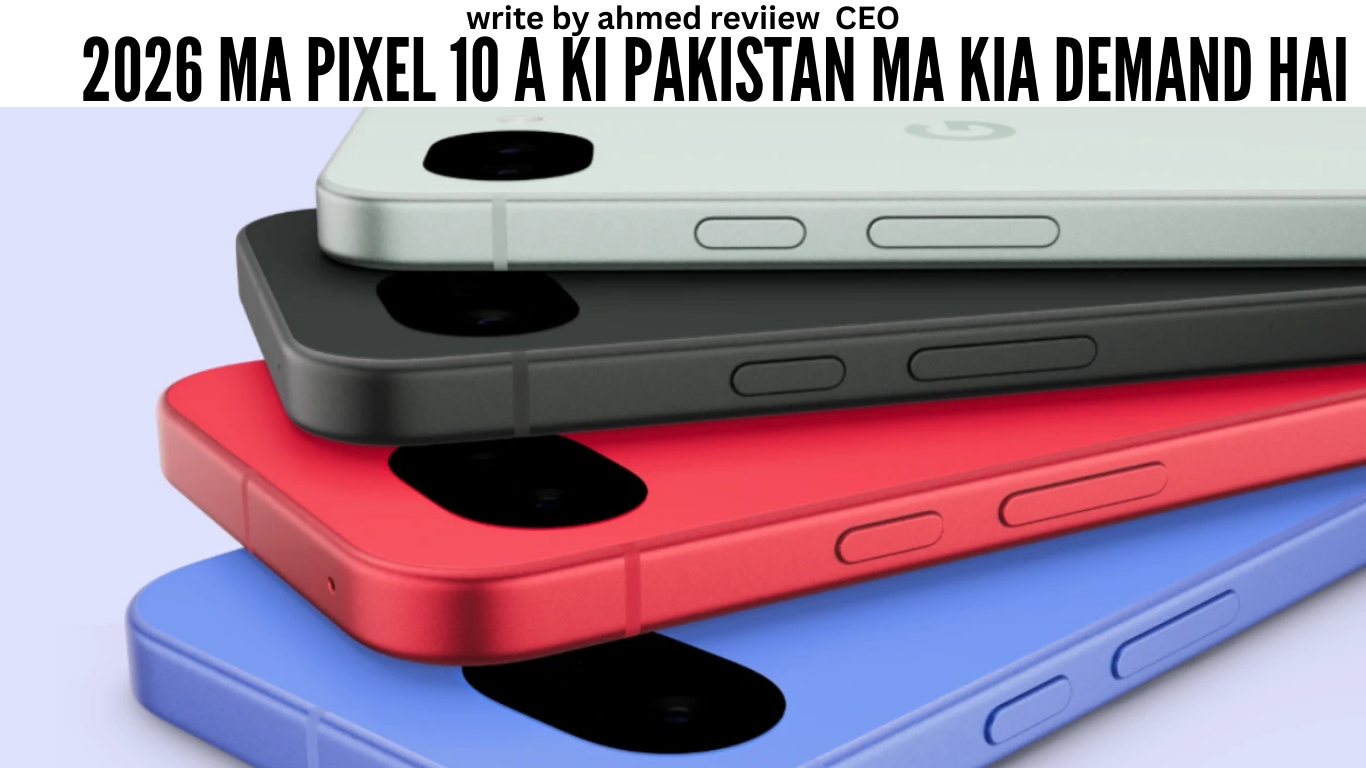
Pixel 10A Aik asa Mobile ha jo feature sa bharahua hai or as ki announcedment 2022, October ma Hogi thi as ki released date 13 October, 2022 ha pixel 10a ki body 162.9 x 76.6 x 8.9 mm (6.41 x 3.02 x 0.35 ) or as kia yezan 212 g front per gorilla glass ha or back per bih same ha, duol SIM support karta ha Aik eSiM or Nano SIM hoti ha IP 68 dust right or water resistant immersible up to 1.5m for 30min ho ta ha .
Screen jab touch element ke sath combine hoti hai to yeh user interface ka sab se important hissa hoti hai. Isi liye hum apne review process ke dauran screens ko test karte waqt bohat zyada tawajjo dete hain. Hum display ki quality ko measure karne ke liye Contrast Ratio, Color Calibration, Brightness aur Sunlight Legibility jaisi cheezon ko check karte hain, taake screen ki performance ka sahi andaza lagaya ja sake.
LCD (Liquid Crystal Display) screens Liquid Crystals ki ek matrix par mushtamil hoti hain. Liquid Crystals khud se light emit nahi karte, is liye unhein poori display ko roshan karne ke liye back-light ki zarurat hoti hai. Isi wajah se LCD displays direct sunlight mein bhi kaafi clear nazar aati hain. IPS-LCD screens, normal non-IPS LCDs ke muqable mein behtar viewing angle aur zyada achi color reproduction deti hain, kyun ke in mein LCD ka layout behtar tareeke se design kiya jata hai. Isi liye yeh display type mid-range se le kar high-end phones mein kaafi common ho chuka hai.
OLED aur AMOLED displays “organic” LEDs use karti hain jo khud light emit karti hain, is liye aksar inhein LCD ki tarah back-light ki zarurat nahi hoti. Is se panel zyada patla banaya ja sakta hai. Yeh displays kam faded (washed out) blacks deti hain, better contrast ratio provide karti hain aur low light conditions mein bhi bohat clear nazar aati hain.
Yeh LCD ke muqable mein kam power consume karti hain, kyun ke LCD mein back-light hamesha on rehti hai. Jab OLED/AMOLED display par koi pixel “black” hota hai to woh pixel waqai completely band hota hai.
8GB + 128GB variant: ≈ PKR 169,999 (expected price)
8GB + 256GB variant: ≈ PKR 189,999 (expected price)
Ye prices official launch ke aas-paas ke estimates hain (kabhi kabhi market available responsively stock / PTA approved items ke mutabiq thodi upar-neeche ho sakte hain
As ka android platform 13 ha jab ap upgrade karo ga tu 17 tak ho sakh ta ha pixel 10a google tensor g5 (5nm) chipset ha
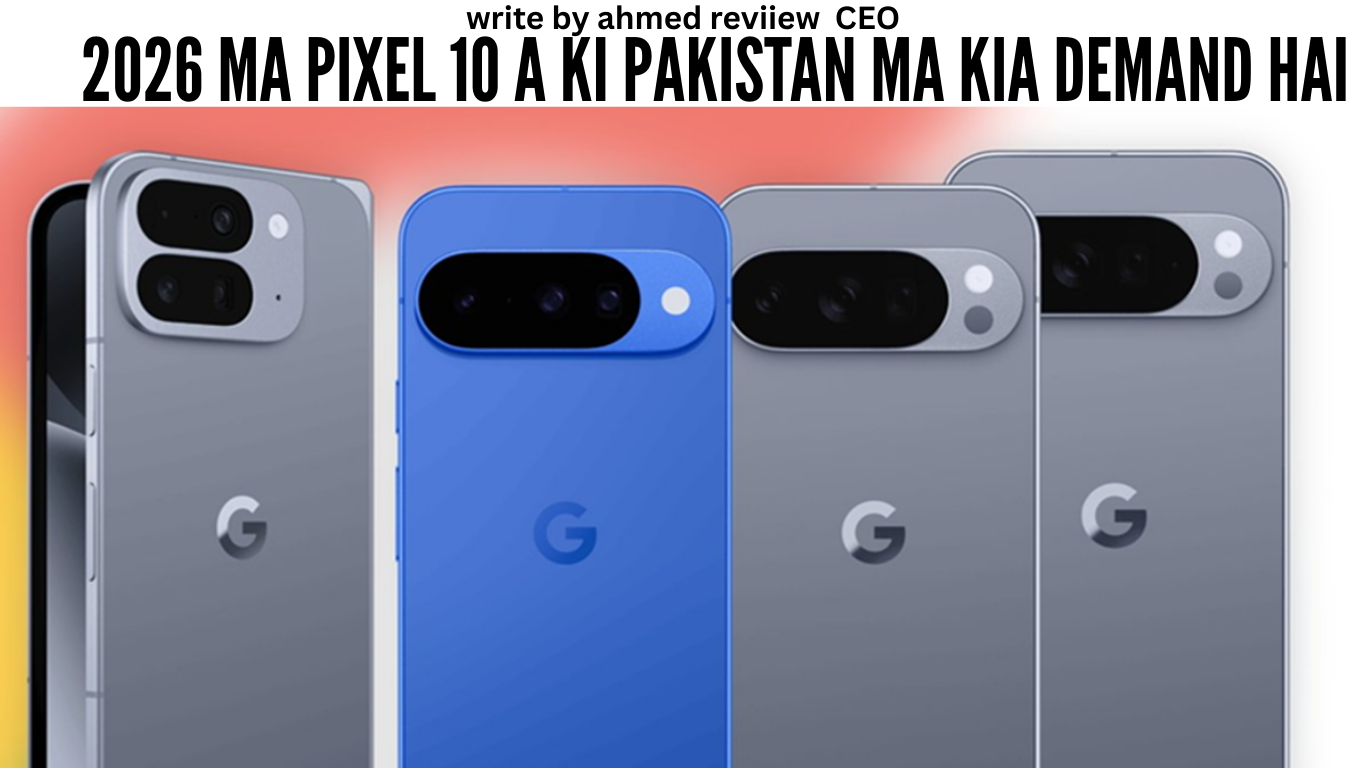
triple Camera setup / 2026 ma Pixel 10 A ki Pakistan ma kia demand hai
2026 ma Pixel 10 A ki Pakistan ma kia demand hai das ki demand ki asal yaja as ka camera ha 50 mp main camera ha or 2nd camera 48mp ha therd camera 12mp ka ha or as ma 4k video 30 to 60 fps bih support karta ha
In today’s fast-paced digital environment, message scheduling has become an essential communication strategy for businesses, entrepreneurs, marketers, and professionals. We no longer rely solely on real-time messaging. Instead, we leverage advanced tools and structured planning to ensure that every message is delivered at the perfect moment. We enhance productivity through message scheduling. It boosts engagement. Scheduling messages also improves overall communication efficiency between us and customers, teams, or prospects.
This comprehensive guide explores the most effective ways to schedule messages across platforms, optimize delivery timing, and maximize impact.
What Is Message Scheduling and Why It Matters
Message scheduling is the process of composing a message. It involves setting the message to be delivered automatically at a specified date and time. We do not send messages immediately. Instead, we strategically plan their release. This way, they align with audience availability, time zones, marketing campaigns, or operational workflows.
The importance of scheduling messages lies in precision and efficiency. By scheduling messages, we:
Maintain consistent communication.
Reach audiences during peak engagement hours.
Reduce manual effort.
Enhance campaign coordination.
Prevent missed opportunities due to time differences.
In a business context, timing often determines whether a message is opened or ignored. When we send communications at optimal moments, we increase visibility and engagement significantly.
Table of Contents
Benefits of Scheduling Messages for Businesses and Professionals
Implementing a structured message scheduling strategy provides measurable advantages. These benefits extend beyond convenience and directly impact performance and outcomes.
1. Improved Productivity
We eliminate repetitive manual sending tasks by automating delivery. Teams can focus on strategic priorities instead of monitoring clocks.
2. Consistent Communication
Consistency builds trust. Scheduled messages ensure that updates, reminders, and campaigns go out regularly without delay.
3. Better Audience Engagement
When we schedule messages during peak activity periods, open rates and responses increase significantly.
4. Time Zone Optimization
For global audiences, message scheduling ensures delivery at appropriate local times, eliminating awkward off-hour notifications.
5. Strategic Campaign Planning
Marketing campaigns require precision. Scheduling allows us to coordinate emails, SMS, and social media messages seamlessly.
How to Schedule Messages on Email Platforms
Email remains one of the most powerful communication tools. Most major email providers now include built-in scheduling features.
Using Gmail to Schedule Emails
Gmail allows us to compose an email and select “Schedule Send.” We can choose suggested times or customize a specific date and time. This feature is ideal for:
Sending follow-up emails.
Delivering newsletters.
Coordinating time-sensitive announcements.
Using Outlook to Schedule Emails
Microsoft Outlook provides a “Delay Delivery” feature within message options. We can set a specific delivery date and time before sending.
Best Practices for Email Scheduling
Send promotional emails mid-week for higher engagement.
Avoid late-night deliveries unless targeting specific time zones.
Schedule follow-ups 48–72 hours after initial contact.
Scheduling Messages on Messaging Apps
Modern communication extends beyond email. Popular messaging apps offer scheduling capabilities either natively or via automation tools.
WhatsApp Message Scheduling
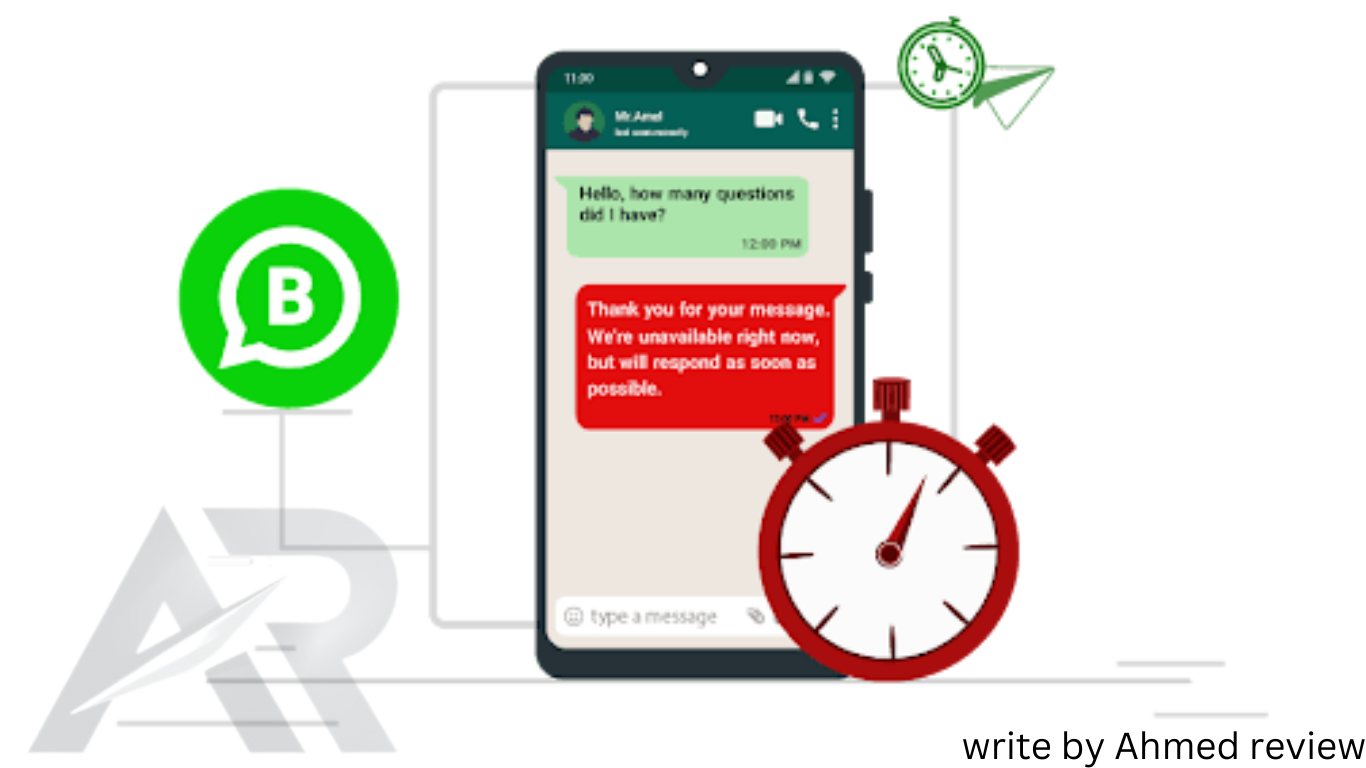
WhatsApp does not offer built-in scheduling for standard accounts. However, automation tools and business APIs allow message scheduling. These can be used for reminders, promotions, and notifications.
Telegram Scheduled Messages
Telegram includes a native scheduling feature. We can compose a message, hold the send button, and choose a delivery time.
Slack Scheduled Messages
Slack allows users to schedule messages within channels or direct messages. This is ideal for remote teams operating across different time zones.
How to Schedule Text Messages (SMS)
SMS scheduling is widely used for marketing campaigns, appointment reminders, and alerts.
Using SMS Marketing Platforms
Platforms such as Twilio, SimpleTexting, and EZ Texting allow us to schedule bulk SMS campaigns with detailed segmentation.
Benefits of SMS Scheduling
High open rates.
Immediate visibility.
Ideal for urgent updates.
Best Timing for SMS Campaigns
Late morning (10 AM – 12 PM).
Early evening (5 PM – 7 PM).
Avoid early mornings and late nights.
Social Media Message Scheduling Strategies
Social media platforms thrive on timing. Posting at the right moment dramatically influences reach and engagement.
Facebook and Instagram Scheduling
Meta Business Suite allows us to schedule posts and messages in advance.
Twitter (X) Scheduling
Through the native scheduler or third-party tools, we can plan tweets for optimal reach.
LinkedIn Scheduling
LinkedIn supports scheduled posts via its content management tools, ideal for professional announcements.
Optimal Social Media Posting Times
LinkedIn: Tuesday–Thursday mornings.
Instagram: Midday or early evening.
Facebook: Mid-week afternoons.
Twitter (X): Weekday mornings.
Automation Tools for Advanced Message Scheduling
For businesses managing multiple channels, automation tools centralize scheduling and enhance coordination.
Top Message Scheduling Tools
HubSpot
Hootsuite
Buffer
Mailchimp
Zapier
These tools allow integration across platforms, enabling synchronized communication strategies.
Advantages of Automation
Centralized control.
Campaign tracking.
Performance analytics.
Reduced human error.
How to Choose the Best Time to Schedule Messages
Choosing the right time is both art and science. We rely on data analytics, audience behavior, and industry benchmarks.
Analyze Audience Behavior
Review open rates, click-through rates, and engagement patterns.
Segment by Time Zone
Deliver messages according to local time zones for global audiences.
Test and Optimize
Conduct A/B testing with different delivery times to identify peak performance windows.
Common Mistakes to Avoid When Scheduling Messages
Even with automation, mistakes can reduce effectiveness.
1. Over-Scheduling
Excessive messaging can overwhelm recipients.
2. Ignoring Time Zones
Sending messages at inconvenient hours reduces engagement.
3. Lack of Personalization
Scheduled messages must still feel personalized and relevant.
4. Failure to Review Before Sending
Always proofread before scheduling to avoid errors that cannot be retracted easily.
Creating a Strategic Message Scheduling Plan
An effective scheduling strategy requires planning and structure.
Step 1: Define Objectives
Determine whether the goal is engagement, conversion, reminders, or updates.
Step 2: Identify Target Audience
Segment based on demographics, behavior, or location.
Step 3: Choose Platforms
Select the most effective communication channel.
Step 4: Establish a Content Calendar
Plan messages weekly or monthly for consistency.
Step 5: Monitor and Adjust
Track performance metrics and refine timing accordingly.
Message Scheduling for Marketing Campaigns
Marketing campaigns benefit significantly from coordinated scheduling.
We align email launches, SMS reminders, and social media promotions in a synchronized sequence. For example:
Stage
Channel
Timing
Announcement
Email
Day 1, 10 AM
Reminder
SMS
Day 2, 5 PM
Social Boost
Instagram
Day 3, 12 PM
Final Call
Email
Day 4, 9 AM
This structured approach ensures consistent messaging without overwhelming the audience.
Enhancing Customer Experience Through Scheduled Messaging
Scheduled messaging improves customer satisfaction by delivering timely reminders, confirmations, and updates.
Examples include:
Appointment reminders.
Payment due notifications.
Event confirmations.
Shipping updates.
When customers receive proactive communication, trust and loyalty increase significantly.
Future Trends in Message Scheduling
The future of message scheduling lies in AI-driven optimization and predictive analytics. Advanced platforms analyze user behavior to automatically determine optimal delivery times.
We expect:
Real-time engagement analysis.
Behavioral-triggered messaging.
Personalized automation sequences.
Smart scheduling based on interaction history.
As technology evolves, message scheduling will become more intuitive, data-driven, and personalized.
Conclusion
Message scheduling is no longer optional in modern communication strategies. It is a powerful mechanism that enhances productivity, ensures timely engagement, and maximizes campaign performance. We leverage email scheduling, SMS automation, and social media planning. Integrated marketing tools help us create a seamless and consistent communication ecosystem. Strategic timing, audience understanding, and data-driven adjustments are the foundations of effective scheduling. When executed properly, scheduled messaging transforms ordinary communication into a structured, impactful, and highly efficient system that drives measurable results.



A really good blog and me back again.